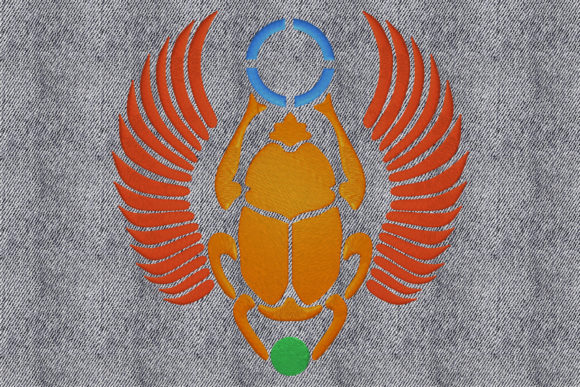
A Professional Review of the Egyptian Scarab Embroidery Design
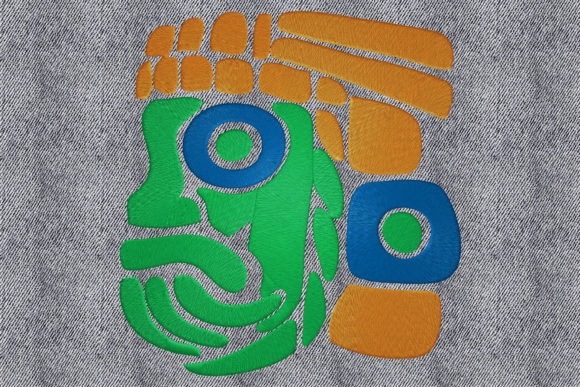
As an embroidery designer preparing for a weekend craft fair, my first task is to evaluate which designs will translate into products that not only look great but also sell. The Egyptian Scarab machine embroidery design immediately grabs attention. This isn’t a cute or farmhouse motif; it feels bold, decorative, and premium. It carries an air of ancient elegance and mystery, a perfect fit for the Around The World category, and it stands apart from the typical floral or whimsical patterns you see at many booths.
Where the Egyptian Scarab Stands Out in a Booth Display
Imagine a table filled with embroidered tote bags, aprons, tea towels, and pillow covers. The Egyptian Scarab won’t blend in. On a dark fabric tote bag or a crisp white apron, this design becomes an immediate focal point. Its intricate, symbolic nature draws the eye of customers looking for something unique, something with a story. For a handmade shop owner, this is a design that elevates a simple product. A plain market bag becomes a statement piece; a basic pillow cover transforms into a decorative accent with global appeal.
In a mix of products, I would prioritize using this design on items where it can be the hero. Embroidered patches featuring the scarab would be a fantastic standalone product for collectors or for customizing jackets. On caps, though, careful consideration is needed due to the curved surface. As a small pouch or pillow cover, it feels giftable and special. For booth samples, creating at least one real mockup on a high-quality tea towel or tote is essential to show customers the impeccable handmade quality in person.
Practical Production & Selling Points
Turning a digital embroidery file into a successful craft fair product requires practical thinking. The Egyptian Scarab appears to have detailed, dense areas. This means stitch density is a key factor. Before batch production, I must test this design on scrap fabric that matches my final product fabric—whether that’s a textured towel, a thick sweatshirt material, or a smooth cotton for a pillow. Testing reveals how the design performs: do tiny details remain crisp? Does it require specific stabilizer to prevent puckering on fabrics like aprons?
For online sellers, such as Etsy sellers, this design photographs well for listings because it’s inherently graphic and high-contrast. A printable mockup can showcase the idea, but a photo of a real embroidered product will better convey its texture and premium feel. It’s a design that works well as a large focal design. I would hesitate to shrink it too much for a small accent on a cap or a shirt sleeve, as the intricate details might lose clarity and compromise the visual appeal.
Careful Use Notes for Consistent Quality
- Thread Contrast: On dark fabrics, using bright, metallic, or gold-toned threads could make the Egyptian Scarab truly majestic and increase perceived value.
- Hoop Size & Stabilizer: The provided embroidery file formats should accommodate various sizes, but confirming the ideal hoop size for your chosen product is a must. A dense design on a textured tea towel will need a sturdy stabilizer.
- Batch Production: The design feels repeatable for creating multiple tote bags or pillow covers, ensuring brand consistency across your booth. However, always check the commercial licensing terms included with the digital embroidery file before selling finished products.
- Customer Engagement: This design sparks conversation. At a fair, you can briefly explain the scarab’s symbolism, adding a layer of story that engages buyers and enhances the handmade quality narrative.
Final Thoughts on Craft Fair Success
The Egyptian Scarab embroidery design is a powerful asset for creative entrepreneurs. It boosts booth display strength by offering a distinct, worldly aesthetic that complements more common themes. Its success hinges on pairing it with the right product. A boldly embroidered tote bag or a decorative pillow cover gives it the best chance to sell, as these items allow the design to shine at its intended size and complexity.
My advice is to embrace its premium, decorative mood. Invest the time in a perfect test run on your chosen fabric, review spacing and stitch count details from the design assets, and choose thread colors that maximize contrast and elegance. When executed well, this design turns a simple handmade product into a standout craft fair product that customers notice, admire, and ultimately, purchase.