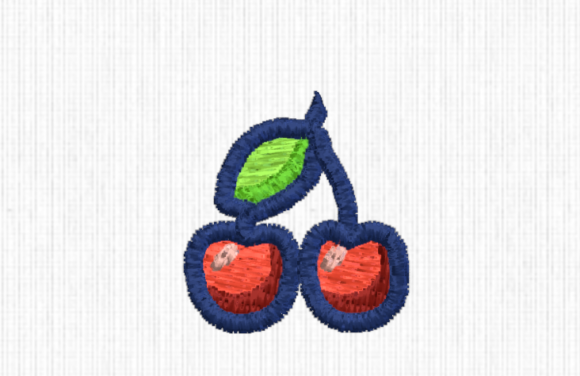
Mini Cherries Embroidery Design: A Design Professional’s Review
A Sweet, Versatile Little Design That Sparks Ideas Immediately
As soon as I looked at this Mini Cherries embroidery design, a sense of cheerful, retro-inspired charm hit me. It’s not an overly detailed botanical study; it’s a playful, stylized take on a classic fruit. The shape is simple and friendly, a cluster of tiny cherries that feels more like a decorative icon than a realistic illustration. This visual personality makes it incredibly versatile. It instantly evokes thoughts of summer, picnics, vintage kitchen towels, and cute, personalized gifts. The mood is lighthearted and sweet without being childish, which opens a wide range of project possibilities. For an embroidery designer or anyone running a small craft business, that first impression is crucial—this design looks like it wants to be put to work.
The Perfect Fit for Quick-Turn Projects and Giftable Goods
In real-life embroidery situations, the “mini” aspect is its biggest strength. The small footprint means it can be adapted to almost anything without dominating the item. I envision this as a perfect accent on the corner of a cotton apron, adding just a touch of handmade character for a boutique product. Stitched onto a lightweight tote bag, it becomes a subtle, stylish branding element for a small shop. For Etsy sellers focusing on personalized gifts, a single cluster on a baby’s knit hat or the cuff of a little onesie creates an instantly adorable, gift-ready product without overwhelming the garment. Holiday gifts like embroidered tea towels or pillow covers come to mind—the cherries add a year-round, cheerful touch rather than a seasonal one.
The design’s simplicity also means it stitches up quickly. This is a major advantage for craft business owners and apparel decorators working on volume or tight timelines. You can finish a cap, a washcloth, or a simple patch in one sitting, making it ideal for craft fair products or last-minute custom orders. In commercial embroidery contexts, where efficiency matters, a clean, small design like this reduces thread changes and machine time, adding value without adding complexity.
Where Its Small Size and Simple Shape Really Shine
Specifically, I’d lean towards using Mini Cherries on:
- Kitchen linens: towels, washcloths, apron pockets—it feels right in that space.
- Lightweight apparel: the cuff or collar of a t-shirt, a subtle detail on a sweatshirt sleeve.
- Accessories: hats, caps, and tote bags where a small accent is more effective than a large statement.
- Baby and nursery items: a single motif on a blanket corner or a bib.
- Printable mockups: for digital product sellers, this design creates clean, appealing previews for listings because its shape is so clear.
Considerations for Stitching Success and Professional Results
While the design is forgiving due to its simplicity, a professional always thinks through the potential pitfalls. On very textured fabrics like some towels or thick sweaters, the simple satin stitch (if used) or fill stitch areas might not appear as crisp; a good stabilizer choice is key here. On dark fabric backgrounds, thread color contrast becomes paramount—you’d want to test a bright red against a navy tote bag to ensure the cherries pop, not fade. Its small size is a benefit, but also means it’s not suited for large hoop sizes where it would look lost; it’s an accent, not a centerpiece.
For products needing frequent washing, like kitchen towels or baby clothes, the stitch density should be checked. A design with too dense stitching in a small area might pucker or feel stiff on lightweight cotton after many washes. Always test on scrap fabric first. This step is non-negotiable for maintaining customer trust and product quality, whether you’re making a one-off gift or a line of merchandise for your handmade shop.
Projects Where I’d Use This Design Carefully
- Very stretchy fabrics without proper stabilization, as the small shape could distort.
- Items with curved surfaces like baseball caps, where placement of the tiny cluster needs precise planning to sit flat.
- Layered garments with seams or pockets underneath the embroidery area.
- As a standalone design on a large, blank product where it might look too sparse—it’s better paired with other elements or used as a repeat.
How Mini Cherries Elevates Your Work and Your Business
From a design and business perspective, this embroidery file offers clear value. Its visual clarity means the finished product looks professional and intentional, not amateur. That builds buyer engagement—customers recognize a clean, cute motif and respond to it. For a personalized gift, it feels thoughtfully chosen. For a small shop product, it adds a cohesive, branded touch without needing a complex logo. The handmade presentation is elevated because the design itself is clean and well-defined, so your stitching skills are showcased effectively.
For creative entrepreneurs selling digital embroidery files or using designs as commercial assets, a design like this is a reliable staple. It fits into many themes (Food, summer, kitchen, retro) and appeals to a broad audience. Its giftability is high—it’s easy to imagine this on a hostess towel or a newborn’s hat. That translates directly into sales potential for finished products on Etsy or at craft fairs.
A Designer’s Practical Notes Before You Hoop Up
Before running this machine embroidery design for any real project, my routine would be:
- Test on scrap fabric that matches my final product’s weight and texture.
- Check thread color contrast on both light and dark backgrounds, maybe even creating simple black and white mockups to see the shape’s integrity.
- Review the actual stitch density and small details in the file viewer—are the stems clean? Are the cherry outlines distinct?
- Confirm the hoop size needed and ensure my machine can handle it comfortably for a smooth stitch-out.
- Use proper stabilizer for the fabric I’ve chosen—never skip this for professional results.
- Most critically, confirm the licensing terms if I’m planning to sell the finished items or incorporate it into commercial embroidery projects. This step protects my business and respects the designer.
The product description mentions it’s small enough to fit on just about anything and great for towels, washcloths, or hats. That’s accurate and a good starting point. My professional take extends that: Mini Cherries is a versatile, mood-boosting little asset. It’s not a flashy centerpiece design, but a reliable, charming accent that can elevate a simple product into something special with minimal effort. For designers, makers, and business owners looking for a quick-win embroidery project that delights customers, this is a solid choice. Just do your due diligence with testing and licensing, then let those tiny cherries work their sweet magic.