Halloween Embroidery Design Review
First Impression: Festive, Bold & Instantly Recognizable
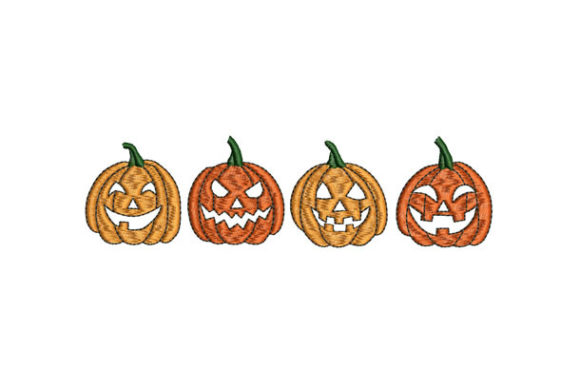
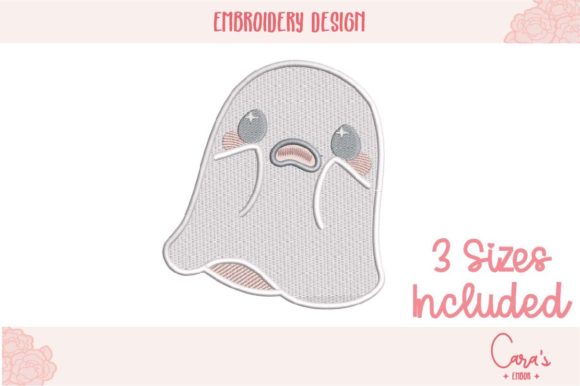
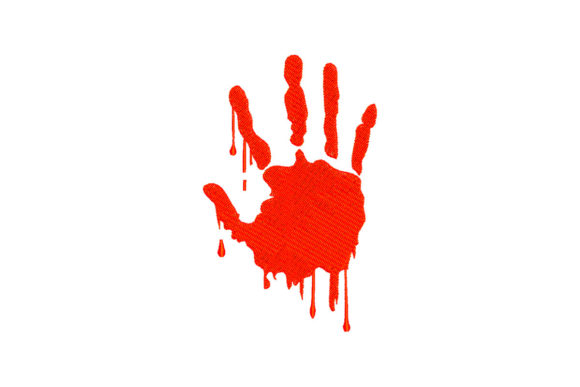
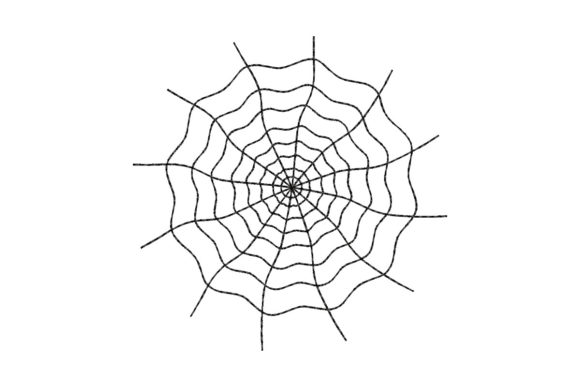
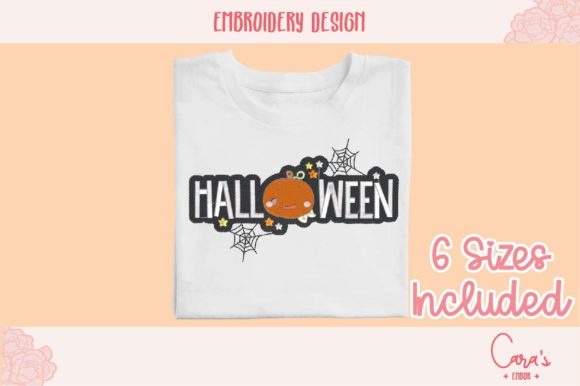
As an embroidery designer who’s prepped over 200 craft fair booths—from Portland bazaars to Nashville maker markets—I opened Halloween expecting charm or kitsch. Instead, I got presence. It reads bold at arm’s length, festive without being loud, and cohesive enough to anchor a booth display. There’s no ambiguity: this is Halloween for makers who sell *intentionally*. Not “cute” or “minimal”—it’s confidently seasonal, with balanced negative space and strong silhouette work. That means it catches eyes in crowded aisles, stands out against rustic wood signage, and translates beautifully across product types without needing rebranding.
Where Halloween Shines on Craft Fair Products
This design doesn’t just sit on fabric—it performs. Here’s how it lands across your most common handmade products:
- Tote bag design: Perfect as a centered chest logo or bold side panel. Holds up at 4–5" wide—no blurring, no stitch bleed—even on textured canvas.
- Apron embroidery: Looks professional above the pocket or along the waistband. The scale and spacing avoid visual clutter next to pockets or ties.
- Tea towel embroidery: Works beautifully in the lower corner or centered mid-panel. Doesn’t compete with woven texture; instead, it complements it with crisp definition.
- Embroidered patch: Excellent candidate for iron-on or sew-on patches. Clean outlines and moderate stitch density mean clean edges after cutting and heat sealing.
- Fabric pouch & pillow cover: Scales naturally to 3–4" focal points. No awkward stretching or distortion—ideal for small-batch production where consistency matters.
- Caps & curved surfaces: Proceed with caution—test stitch first. Curves compress dense areas; subtle adjustments to underlay or stabilizer choice may be needed.
Real-World Selling Strengths
Halloween excels where many seasonal designs fail: clarity at a glance. At a craft fair, customers scan in under three seconds. This design delivers instant recognition—no squinting, no decoding. That directly lifts conversion on impulse buys like market bags, giftable tea towels, or embroidered pouches for candy or crafts. It also photographs exceptionally well for Etsy listings: high contrast, defined edges, and natural shadow play make printable mockups pop without heavy editing. As a digital embroidery file, it supports repeatable batch production—no manual tweaks between runs, assuming consistent fabric, stabilizer, and tension.
Design Limitations You Must Respect
“Resizing or editing the design is not recommended”—this isn’t boilerplate. It’s critical guidance. Here’s why:
- Dense stitch areas can pucker thin fabrics or overwhelm textured towels if enlarged beyond tested parameters.
- Tiny details or small lettering (if present) lose legibility below ~2.5"—not ideal for tiny patches or keychain tags without verification.
- Dark fabric demands high-contrast thread colors. Always test thread choices—not just black-on-orange, but charcoal-on-navy or cream-on-forest green.
- Thick or napped fabrics (like terry cloth or fleece) require additional stabilizer layers. What works on cotton poplin may sink or distort elsewhere.
Booth Impact & Buyer Engagement
In person, Halloween elevates perceived value. It reads handmade—but *confidently* handmade. Customers associate clean, balanced embroidery with quality craftsmanship, not DIY guesswork. When stitched onto a linen pillow cover beside a hand-poured candle or on a heavyweight apron next to artisan soaps, it reinforces brand cohesion. It also strengthens booth storytelling: group Halloween-stitched items together with complementary props (mini pumpkins, dried orange slices, black-and-orange ribbons), and you’ve built an immersive, shoppable moment—not just a table of goods.
Production Notes Every Embroidery Designer Should Follow
Before stitching your first craft fair product, do this—not later:
- Test stitch the design—or at least its most complex section—on scrap fabric matching your final product’s weight and texture.
- Check thread contrast under both daylight and warm indoor lighting. A thread that pops in studio light may disappear under market tent LEDs.
- Review spacing between elements: Is there breathing room around letters or motifs? Tight spacing risks skipped stitches on low-tension machines.
- Confirm hoop size compatibility. If your machine requires re-hooping mid-design, factor in alignment time—and potential registration drift.
- Inspect stitch density visually. Overly dense fills increase wear on needles and risk fabric damage on delicate substrates.
- Match stabilizer to fabric: cutaway for knits, tear-away for stable wovens, fusible for lightweight linens.
- Create at least one real mockup—not just a digital preview. Hold it. Drape it. See how light hits the threads.
- Compare fabric colors side-by-side. A design that sings on ivory linen may mute on oatmeal canvas.
- Verify commercial licensing status before selling finished products. This is non-negotiable for Etsy sellers, boutique makers, and wholesale partners.
Final Thought: Halloween Isn’t Just Seasonal—It’s Strategic
Halloween isn’t filler. It’s a high-intent, high-margin opportunity for creative entrepreneurs. When executed with care—tested, stabilized, and thoughtfully applied—it transforms ordinary handmade products into memorable, giftable, shelf-worthy pieces. It draws people to your booth, encourages photo sharing, and builds repeat interest year after year. But its strength lies in discipline: honoring the tested parameters, respecting fabric behavior, and treating every stitch as part of your brand’s voice. Stitch it right, and Halloween won’t just mark the season—it’ll mark your growth as a maker.