A Designer's Look at the Human Eyes Embroidery Design
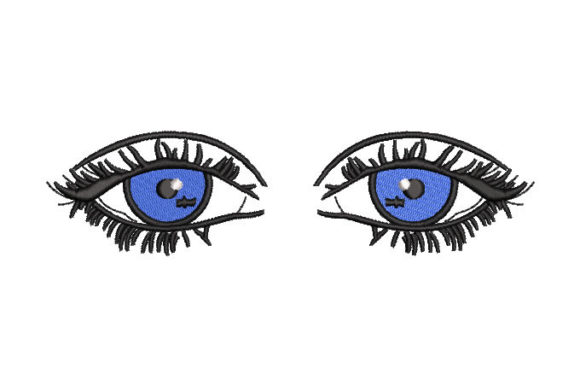
Before we load any embroidery file into our machines, we’re always thinking about the final product. How will it stitch out? What will the finished piece feel like in your hands? And, crucially, how will the person receiving it—whether a client, a customer, or a loved one—actually respond to it? Today, I’m considering the Human Eyes design from that practical perspective. It promises to be "incredibly realistic and beautiful," a charming accent for creative projects. Let’s unpack what that really means for us as makers.
First Impressions: The Mood and Personality of These Eyes
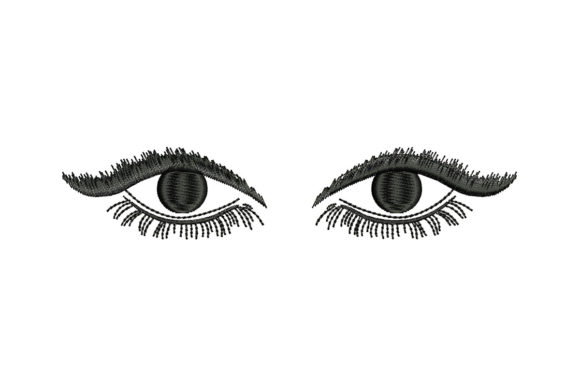
Opening the design file, the first thing that strikes me is the theme. Human eyes are deeply expressive. This isn’t a cartoon or a simplified graphic; the description emphasizes realism. That suggests a design with careful detail, likely using satin stitches for the iris and fill stitches for the surrounding areas. The mood it creates is intimate, observant, and quietly beautiful. It has a visual personality that’s more about connection and artistry than simple decoration. This tells me it naturally belongs to projects where personal meaning is key: a thoughtful gift, a boutique product with a story, or a custom piece meant to resonate.
Where These Eyes Belong: Real-Life Project Scenarios
I immediately start picturing it stitched. On a custom apparel item like a well-made sweatshirt or a denim jacket, these eyes could become a striking focal point. They’d feel intentional and designer-led. For a personalized gift, imagine a pillow cover for a friend who loves portraiture or a tea towel in a kitchen that celebrates art—it becomes more than a towel; it’s a conversation piece.
In a craft business context, an embroidered patch featuring this design could be incredibly popular. Patches allow for versatility, and the realistic detail would translate well into a standalone piece of art people could apply to bags or caps. As an Etsy seller, listing a tote bag adorned with these eyes, I’d focus on the handmade presentation and the unique, artistic accent. It elevates a simple bag into a small shop product with higher perceived value.
For baby embroidery or nursery decor, I’d proceed with careful intent. The realistic nature is beautiful, but it’s a more sophisticated theme than typical playful baby designs. It might be perfect for a special keepsake blanket or wall art in a thoughtfully decorated room, rather than everyday baby clothes.
Performance on the Ground: Fabric, Texture, and Context
How will it perform in real stitching? The detail level suggests we need to be mindful of hoop size and stitch density. For maximum clarity, I’d avoid very small hoop sizes. Testing on scrap fabric first is non-negotiable here. On textured fabrics like some sweaters or blankets, the fine details might soften, which could be a lovely effect, but you’d lose some sharp realism. On smooth, stable fabrics like cotton twill or a good quality tote bag material, the design will likely sing.
Dark fabric presents a classic challenge. Realistic eyes often rely on subtle color shifts. Without knowing the exact thread colors included in the file, I’d advise checking the contrast carefully. Creating a black and white mockup or testing a small section can save a project. Similarly, on stretchy fabrics for t-shirts, the use of proper stabilizer is paramount to prevent distortion in those detailed areas.
Curved surfaces like caps are a fascinating application. The design’s shape would need to fit the curve without awkward cropping. This is where studying the layout before hooping is essential. It could make for a truly unique cap design, moving beyond logos into art.
Careful Application: When to Hesitate
This design invites us to think about context. For products needing frequent washing, like kitchen towels or everyday baby clothes, high stitch density in a detailed area might not wear as well over time compared to a simpler graphic. On thin fabrics without adequate stabilization, the pull of the stitches could be problematic.
As a digital embroidery file sold to other makers, its value in printable mockups for digital product sellers is high. The realistic detail would look compelling in a preview. However, for commercial embroidery projects where speed and consistency are key, the detail level means each stitch-out requires attention to quality control. It’s not a "fire and forget" design; it demands a careful setup.
The Impact on Your Business and Your Client
Using a design like this affects more than the stitch. It impacts customer trust and buyer engagement. When a customer sees a handmade product with this level of thoughtful artistry, it builds confidence in your brand’s professionalism. It tells them you choose designs with intent, not just volume. For brand consistency, if your shop vibe is artistic and intimate, these eyes fit perfectly. If your brand is more about bold slogans, it might feel out of place.
The giftability is strong. A pillow cover or framed patch with these eyes feels like a genuine, personal gift for a wedding, a birthday, or a housewarming. It’s not generic. The visual appeal is about recognition of human detail, which can be deeply pleasing.
Practical Designer Notes Before You Hoop
My final checklist before using Human Eyes in any project, client work, or for my craft business items:
- Always, always test on a scrap of your intended project fabric first. Check the detail rendering.
- Review the actual file for stitch density in areas like the iris. Is it very dense? That affects the fabric choice.
- Confirm the hoop size needed. The description mentions it comes with multiple embroidery files, which often means sizes. Choose the one that gives the detail room to breathe.
- Inspect the small details in your software. Are there tiny corners or elements that might need tweaking for your specific machine?
- Compare how it would look on light and dark backgrounds. Plan your thread choices accordingly.
- Use the stabilizer recommended for your fabric type. Don’t skimp here.
- Most importantly, check the licensing terms provided with the design. Confirm it’s cleared for both personal and commercial embroidery projects if you intend to sell the finished product or the digital file itself. Never assume.
Embroidery is a bridge between digital design and tangible, heartfelt product. The Human Eyes design, with its realistic and beautiful promise, is a compelling tool for that bridge. It asks for a bit more care in setup, but rewards you with a finished product that carries a quiet, powerful presence. Whether it’s destined for a boutique apron, an artist’s tote bag, or a special gift pillow, its success hinges on our thoughtful application. That’s where the real craft happens.